
Pain vs Soreness After Physiotherapy
What’s Normal and What’s Not?
“Know the difference before it becomes an injury”
Have you ever left a physiotherapy appointment feeling better, only to wake up the next day wondering:
“Why am I more sore than yesterday?”
You’re not alone.
One of the most common questions we hear in the clinic is whether discomfort after treatment is normal—or whether it’s a sign that something is wrong.
The good news? Some soreness after physiotherapy is completely expected. However, there are certain symptoms that may indicate a need for reassessment.
Understanding the difference between normal post-treatment soreness and concerning pain can help you recover confidently and get the most from your treatment.
“Why Can I Feel Sore After Physiotherapy?”
Many patients experience some degrees of soreness after physiotherapy sessions, particularly after involvement of following: –
- Manual therapy
- Joint mobilisations
- Soft tissue treatment/ deep tissue work
- Dry needling
- Strengthening exercises
- Movement retraining
- Return to activity after injury
Just like starting a new gym program, these can challenge tissues that may not have been used or loaded recently.
As your body adapts, mild soreness can occur.
Think of it like cleaning out a dusty room—the process may stir things up temporarily before things improve.
What is Muscle Soreness?
Muscle soreness is a normal response to physical activity, especially when you’ve:
- Started a new exercise program
- Increased workout intensity
- Returned to exercise after a break
- Performed repetitive movements for longer than usual
This type of soreness is commonly known as Delayed Onset Muscle Soreness (DOMS) and typically appears 12–48 hours after exercise.
Signs of Muscle Soreness
Feels like a dull ache or stiffness
Affects both sides of the body equally
Improves with gentle movement
Peaks within 24–72 hours
Gradually resolves within a few days
Example: After a leg workout, your thighs may feel stiff and tender when walking upstairs for a couple of days.

Muscle soreness is a normal part of body’s adaptation to any form of exercise performed.
Normal Responses expected after a physiotherapy session include
- Mild aching in the treated area
- Feeling like you’ve done a workout
- Temporary muscle stiffness
- Slight fatigue
- Symptoms that settle within 24–72 hours
- Mild tenderness when pressing on the area
In fact, mild soreness can sometimes be a sign that your body is adapting to the treatment and exercise program.
What is Pain?
Pain is your body’s warning signal that something may be injured, irritated, or not functioning correctly.
UNLIKE SORENESS, PAIN OFTEN INDICATES THAT TISSUES SUCH AS MUSCLES, TENDONS, LIGAMENTS, JOINTS, OR NERVES MAY BE UNDER EXCESSIVE STRESS OR DAMAGED.
Signs of Pain/ What isn’t normal
While some discomfort can be expected, physiotherapy should not cause severe or progressive worsening symptoms like:
Sharp, stabbing, burning, or shooting sensation such that it limits movement
Appears during activity or suddenly afterward that prevents normal day-to-day activities
Localised to a specific area
Causes limping or altered movement
Persists or worsens over time which may result in weakness
May be accompanied by swelling, bruising, weakness, tingling or numbness
Example: A sudden sharp pain in your knee while running that forces you to stop immediately.
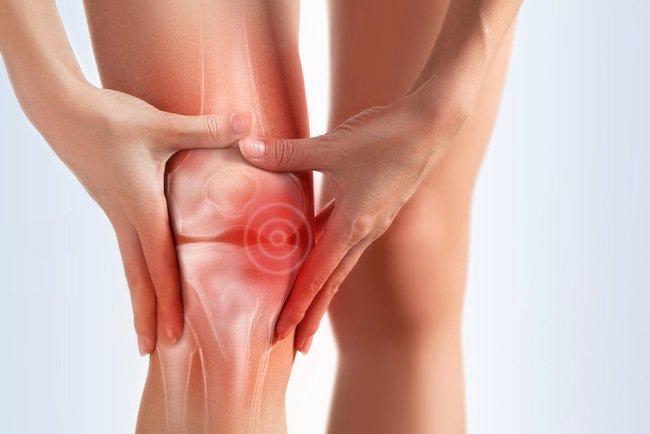
Contact your physiotherapist immediately if you experience any of the above mentioned symptoms
These symptoms don’t necessarily mean something serious has happened, but they do warrant a discussion with your physiotherapist.
| Normal Soreness | Concerning Pain |
| Dull ache | Sharp or stabbing |
| Feels like a workout | Feels like injury |
| Improves with movement | Worsens with movement |
| Settles within 1–3 days | Persists or escalates |
| Mild stiffness | Significant loss of function |
| Manageable discomfort | Difficult to perform daily activities |
Why Might Symptoms Temporarily Increase?
Recovery is rarely a straight line.
Sometimes symptoms can increase temporarily because
- Tissues Are Being Loaded Differently
Rehabilitation often introduces movement patterns your body has been avoiding or it has not been habituated to perform that pattern.
- Your Body Is Adapting
Just like getting stronger at the gym, adaptation requires some challenge.
- Sensitive Areas Are Being Retrained
More painful conditions involve increased sensitivity of tissues and the nervous system. Carefully graded exercise helps reduce that sensitivity over time.
A short-term increase in symptoms doesn’t always mean damage is occurring.
How Much Pain Is Acceptable?
A useful rule is the 24-Hour Response Test
If symptoms:
- Remain mild
- Improve within 24 hours
- Return to baseline within 48-72 hours
- Don’t significantly affect your daily activities
Then the exercise or treatment intensity was generally appropriate.
If symptoms continue escalating or significantly impact function, your program may need adjusting.
What Should I Do If I’m Sore After Treatment?
Simple strategies can help:
- Stay gently active
- Continue light movement
-Follow your home exercise plan
- Stay hydrated
- Prioritise sleep and recovery
- Monitor symptoms rather than focusing on a single painful moment
Avoid complete rest unless specifically advised, as movement often helps reduce stiffness and promote recovery.
Normal soreness is usually mild, temporary, and improves within a few days.
However, severe, worsening, or unusual symptoms should always be discussed with your physiotherapist.
If you’re ever unsure whether what you’re feeling is expected, reach out to your treating physiotherapist. We’d much rather answer a question early than have you worry unnecessarily.
How Physiotherapy Can Help Manage Pain
At our clinic, we help patients identify the source of their discomfort and create personalised treatment plans to get them moving confidently again.
Our physiotherapists can:
- Diagnose the cause of pain
- Identify movement dysfunctions
- Provide hands-on treatment
- Design rehabilitation programs
- Help prevent future injuries
Need Advice?
If you’ve recently started physiotherapy and aren’t sure whether your symptoms are normal, contact our team. We’re happy to help guide you through your recovery and ensure you’re progressing safely.
Ready to Move Better?
If pain is limiting your activities, our experienced physiotherapy team is here to help. To book an assessment today and take the first step toward a stronger, healthier body you can call us on 0298753760, you can book online.
Recent Articles

Shin splints typically were thought to be caused mainly by inflammation or muscles pulling on the lining of the shin bone.
We now understand the condition as more of a bone-loading problem involving the tibia and the tissues around it.

Nerve-related symptoms can be confusing because the place where you feel them is not always where the problem begins. The nerve pathways supplying your hand connect back to your neck, while those supplying your foot connect back to your lower back. Irritation anywhere along a pathway may cause symptoms further away.
This article explains what nerve pain is, what different nerve symptoms may mean and the main places a nerve problem can develop.

Most Australians sit for 8–10 hours a day — well beyond what research considers safe.
Evidence suggests that sitting for more than 8 hours a day with no physical activity carries health risks comparable to smoking.

Let’s be clear: neck and shoulder pain is very common and has affected most of us at some time or another.
What follows will be looking at causes, characteristics and the role of physiotherapy for neck and shoulder pain.